
This effect is more pronounced in individuals with higher muscle mass, as muscles are secondary sites for alcohol metabolism, further amplifying heat production. This disruption not only accelerates dehydration but also impairs the body’s ability to conserve heat. For example, athletes who consume alcohol post-exercise may experience prolonged recovery times due to increased heat loss and fluid imbalance. Instead, rehydrating with water or electrolyte-rich beverages is recommended to support temperature regulation and muscle repair.
Other Factors Contributing to Fever After Drinking
Additionally, alcohol impairs the body’s ability to regulate temperature and perceive the symptoms of heat stress, further increasing the risk of heat-related complications. It’s also worth noting that alcohol withdrawal can produce symptoms that resemble a fever. During withdrawal, the body experiences a rebound effect as it adjusts to the absence of alcohol. drug addiction This can lead to increased body temperature, sweating, rapid heartbeat, and chills—symptoms that overlap with those of a fever. However, these are not true fevers but rather part of the body’s response to the stress of withdrawal.
Why is it dangerous to rely on alcohol for warmth in cold environments?
If you drink a lot or suffer from a condition like facial flushing, you might feel very warm after a night of drinking. This sensation can encourage people to stay longer outside in cold weather or underestimate how cold they really are, increasing danger from exposure to freezing temperatures. Consider the contrast between a well-hydrated individual and one experiencing alcohol-induced dehydration. The former is better equipped to manage a fever, as adequate hydration supports the body’s cooling mechanisms, such as sweating.
Does Drinking Alcohol Increase Body Temperature?
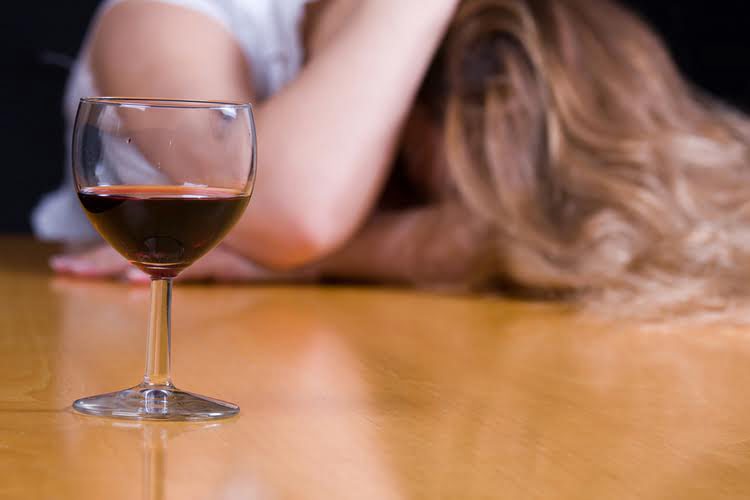
While it initially causes vasodilation and warmth, alcohol also acts as a diuretic, increasing urine production and fluid loss. As a result, individuals may struggle to regulate their temperature in hot environments, leading to an elevated risk of heat-related illnesses like heatstroke. This short-term disruption in sweating contrasts with long-term effects, where chronic dehydration from repeated alcohol use can further compromise the body’s ability to cool itself efficiently. People often believe that alcohol lowers body temperature because of the sensation of warmth they experience when drinking. However, this warmth is caused by the dilation of blood vessels near the skin, not an actual decrease in body temperature. Comparatively, alcohol’s metabolic effects contrast sharply with those of exercise or caffeine, which increase core temperature through muscle activity or sympathetic nervous system stimulation.
The Role of Vasodilation in Temperature Regulation
Consuming alcohol impairs your immune function and can make you more susceptible to developing an infection. If you’ve been exposed to a virus or bacteria, your body may be less able to fight it off after a period of heavy drinking. Cytokines released after drinking alcohol called pro-inflammatory cytokines promote inflammation of your whole body. It’s been proposed that the inflammatory effects of cytokines may influence the severity of your hangover, according to a 2017 research review. Distinguishing between hangover-related temperature fluctuations and a true fever is important.
Vasodilation and the Warming Sensation
- As blood alcohol levels rise, the brain’s ability to detect and respond to drops in body temperature diminishes, leading to a delayed or weakened shivering response.
- This is particularly dangerous in cold conditions, as the body loses heat faster than it can produce it, leading to a drop in core temperature.
- Long-term alcohol use further diminishes the immune system’s ability to combat pathogens effectively, increasing the risk of infection-related fevers.
- While alcohol may provide a temporary sensation of warmth, it can also impair judgment and coordination, increasing the risk of hypothermia and other cold-related injuries.
- The initial warming sensation experienced after drinking alcohol is often followed by a drop in core body temperature.
This underscores the importance of moderation, especially in environments where temperature control is critical, such as during outdoor activities or in hot climates. Yes, alcohol consumption impairs the body’s ability to regulate temperature by interfering with the hypothalamus, which can lead to a decrease in core body temperature. Alcohol affects thermoregulation so that body core temperature is lowered not only by automatic mechanisms (sweating and skin vasodilation) but also behaviourally. It is also important to note that certain populations, such as older adults and young children, may be more susceptible to the negative effects of alcohol on fever symptoms. Older adults may experience a range of age-related changes that can increase their risk of complications, including impaired temperature regulation and decreased immune function.
- Normally, this organ makes insulin and other chemicals that help your intestines break down food.
- Alcohol impairs judgment and decision-making, which can cause an intoxicated person to ignore feelings of cold or neglect to seek shelter.
- It’s important to be aware of how alcohol influences the body and the broader health implications these symptoms may entail.
- Dehydration is a significant concern as it can exacerbate fever symptoms, creating a cycle that may prolong discomfort.
- For instance, mixing alcohol with acetaminophen can elevate the risk of liver damage, even at moderate doses.
- When the vessels expand, you might feel even warmer because of the increased blood flow inside the blood vessels beneath your skin.
Alcohol And Perception Of Warmth
- For instance, a person might feel warm after a night of drinking but be at higher risk of heat loss in cold environments.
- While a hangover can cause sensations of warmth, chills, and an elevated feeling of body temperature, these symptoms usually do not meet the clinical threshold of a true fever.
- To mitigate this risk, it’s essential to monitor core temperature directly, using a thermometer if necessary, and avoid relying on skin sensation alone.
- Her other culinary mission in life is to convince her family and friends that vegetarian dishes are much more than a basic salad.
- Have you ever heard someone say drinking alcohol, like whiskey or Irish coffee, can warm up your body when it’s cold outside?
Yes, alcohol can make you feel warmer initially due to the dilation of blood vessels in the skin, but this is not an indication of an increase in body temperature. Alcohol causes blood vessels to dilate, increasing blood flow to the skin, which creates a sensation of warmth despite no actual rise in core temperature. Furthermore, the type and amount of alcohol consumed can influence the extent of skin temperature fluctuations. Higher alcohol concentrations and larger quantities tend to produce more pronounced effects on vasodilation and sweating.
First, limit consumption in cold environments, especially during outdoor activities like skiing or winter hiking. If drinking is unavoidable, pair it with warm, non-alcoholic beverages to counteract the cooling effect. Wearing insulated clothing can also help retain body heat, but it’s no substitute for moderation.
The mission of the campaign is to help Service members learn to drink responsibly, if they choose to drink alcohol. In general, if you have any doubts or concerns about your well-being after drinking, seeking medical advice is the safest course of action. The Reframe app equips you with the knowledge and skills you need to not only survive drinking less, but to thrive while you navigate the journey. Our daily research-backed readings teach you the neuroscience of alcohol, and our in-app Toolkit provides the resources and activities you need to navigate each challenge. However, if you’re also experiencing red, itching, or tingling skin, you could be dealing with alcohol flush. She loves scouring the internet for delicious, simple, heartwarming recipes that make her look like a MasterChef winner.
Managing Symptoms of a Hangover Effectively
It is important to seek medical attention if you experience certain warning signs alongside a fever after drinking alcohol. Persistent fever lasting more than a day or two, despite home remedies, should also prompt a visit to a healthcare professional. Chronic or heavy does alcohol raise body temp alcohol use can also significantly weaken the immune system over time, making individuals more susceptible to various infections. Conditions such as respiratory infections like pneumonia, or liver infections, are more common in heavy drinkers and frequently present with fever.